
Cart is empty
To cart page
Cart is empty


New! Your personal account
Here you can update and cancel orders, manage your profile, and redeem coupons all in one place. Sign up quickly to get: 10% off your next purchase!
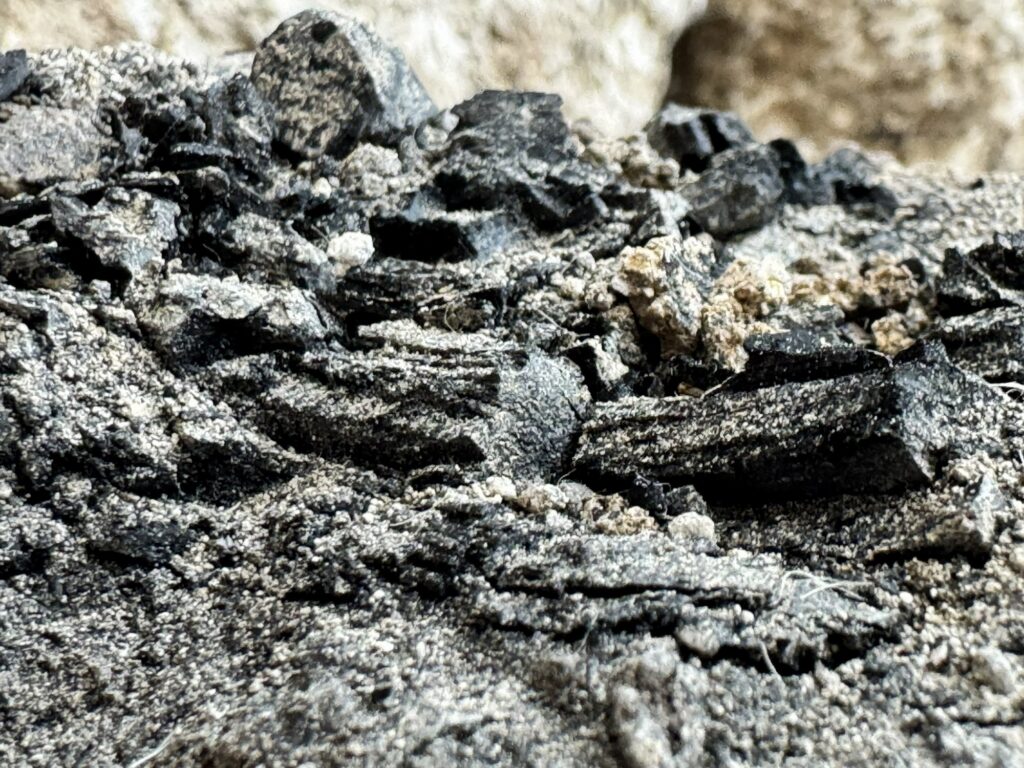
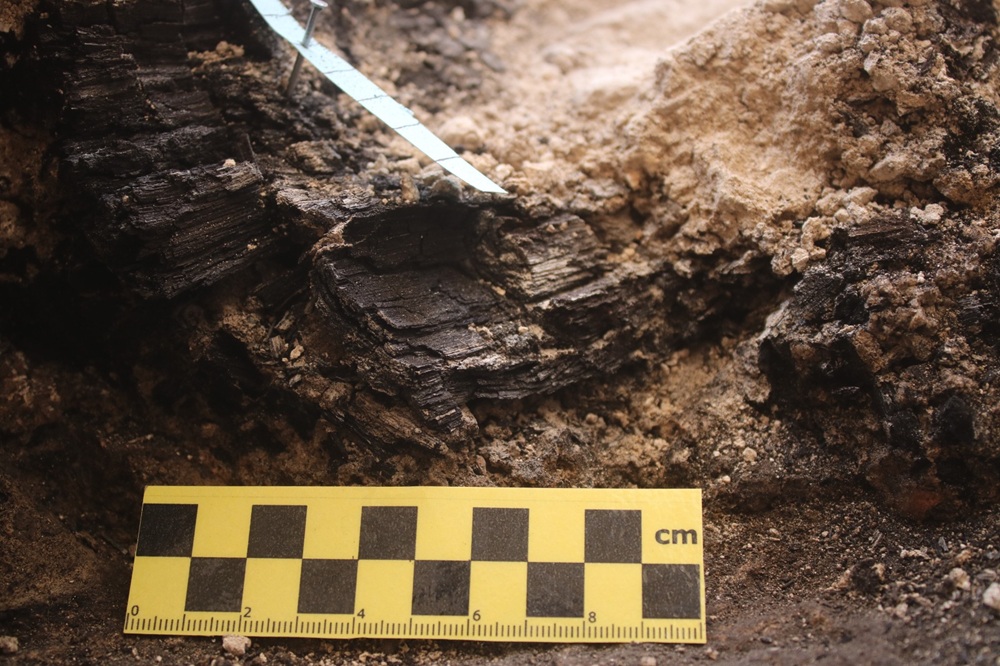
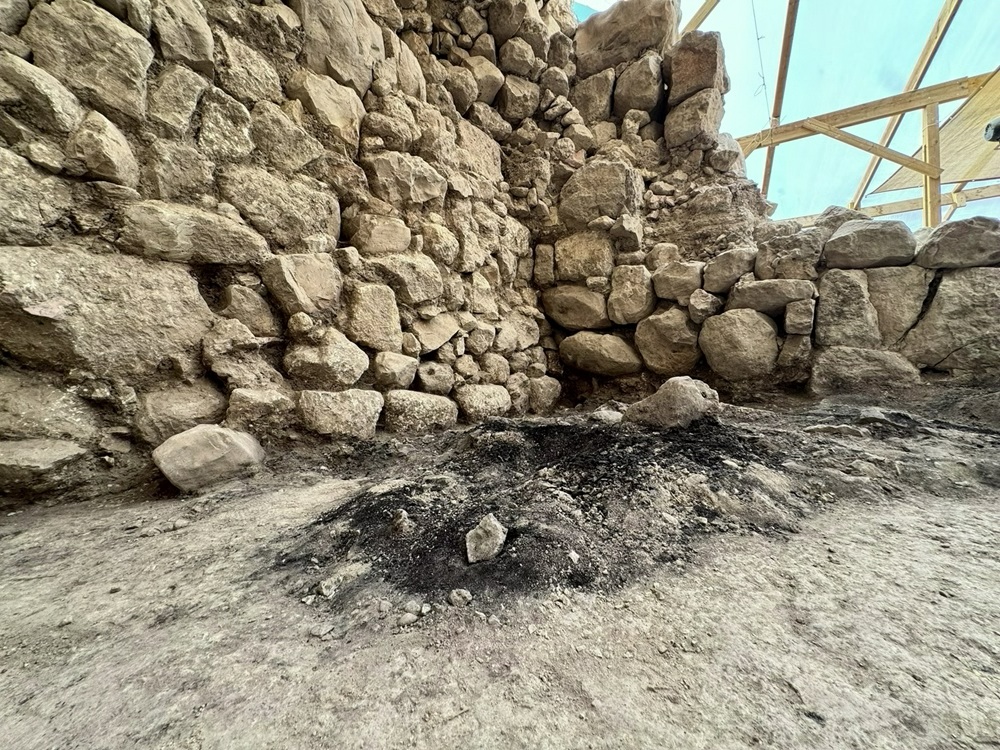
The charred beams were uncovered during excavations by the Israel Antiquities Authority and Tel Aviv University in Jerusalem within a building that collapsed by the intense fire at the time of the First Temple's destruction. What likely preserved the beams for approximately 2,600 years was plaster that melted from the building's walls, sealing the burnt wood beneath it.
A remarkable discovery was made recently at a dig in the Givati Parking Lot, as part of excavations conducted by the Israel Antiquities Authority and Tel Aviv University in the City of David, within the Jerusalem Walls National Park: massive wooden beams that were burned during the destruction of the First Temple in 586 BCE.
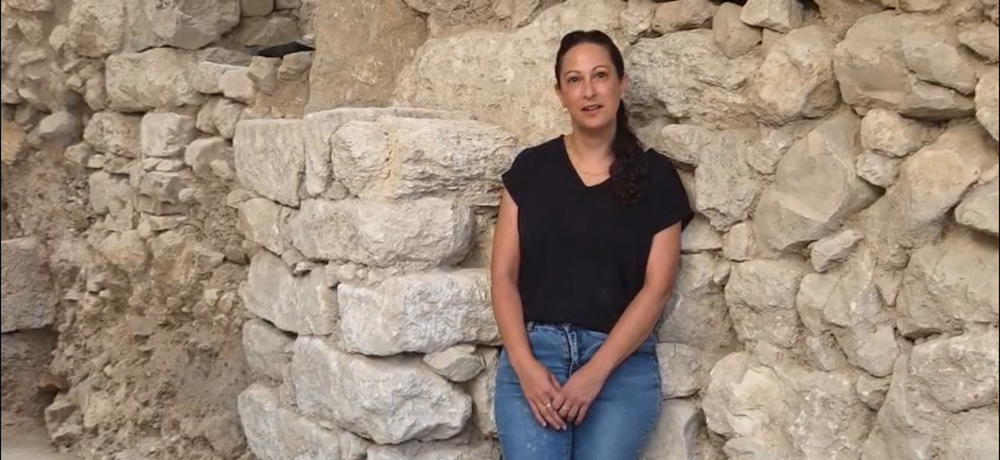
According to Excavation Director Efrat Bocher,
“The beams appear to have served as the roof of an inner courtyard in a building from the First Temple period. During the destruction, they collapsed onto the floor. We believe that the plaster cladding of the building’s walls, melted by the fire, covered the charred wooden beams, and ultimately enabled their exceptional preservation.”
“It is very rare in Israel to find wood with such a large number of growth rings,” says Dr. Johanna Regev of the Israel Antiquities Authority, who is studying the find. Here, in the City of David, we found thick beams with many rings, offering significant research potential – with more growth rings enabling higher dating resolution. Until now we could date finds within a range of hundreds of years. Now we can attain much greater precision, narrowing the dating range down to as little as ten years.”
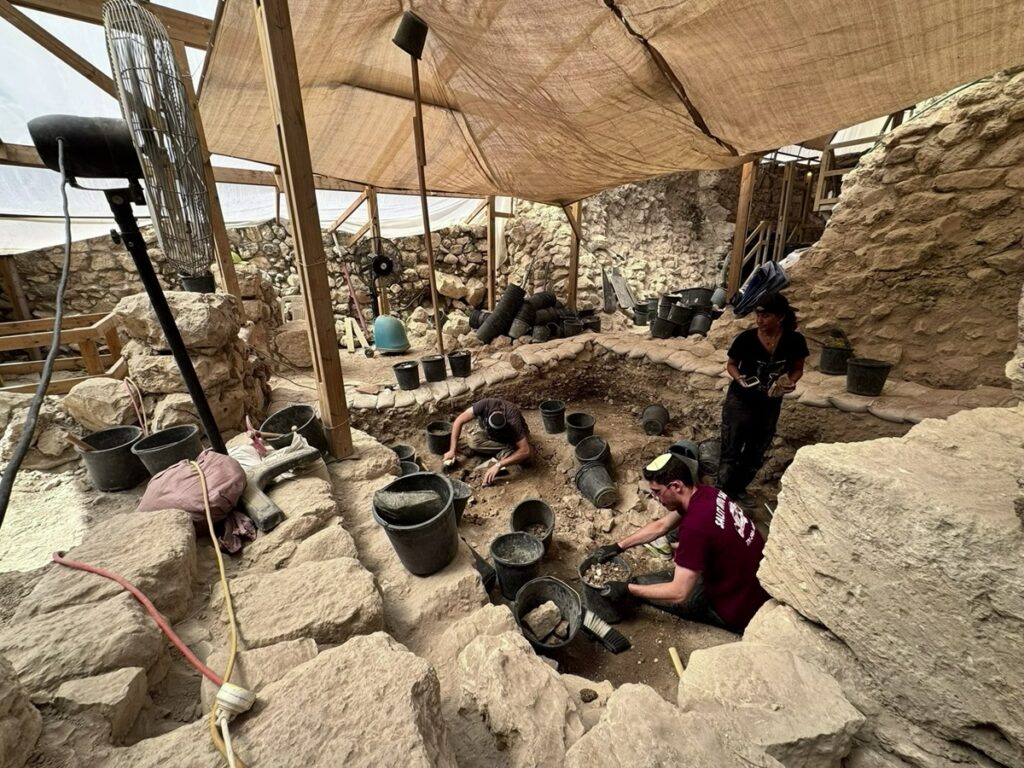
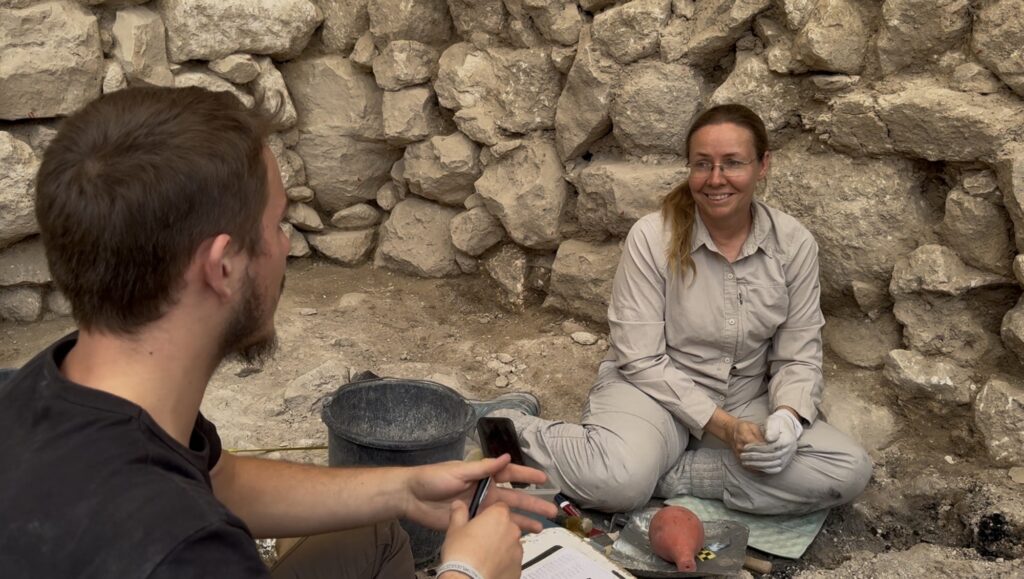
The excavation directors note that Jerusalem’s returning residents, as they began to rebuild the city, probably made a deliberate decision to preserve the memory of the destruction by leaving behind remains that tell the story of the catastrophe.
“The concept of a landscape of memory is familiar from many cultures around the world,” explains Dr. Yiftah Shalev, who directs the excavation on behalf of the Israel Antiquities Authority alongside Prof. Yuval Gadot of Tel Aviv University. According to Dr. Shalev, “Preserving memory is a human need, seeking to preserve what once existed. Here we see it in its clearest form: a deliberate choice to leave ruins in place as a testament to the destruction and build the new layer over them.”
“We are just before Tisha B’Av,” adds Bocher. “This discovery makes you feel that you are witnessing the very moment of destruction, the moment when it all happened. It’s deeply moving.”


Is anyone here?
Since no action was taken for a while, an automatic logout will occur in 03:00 minutes.

